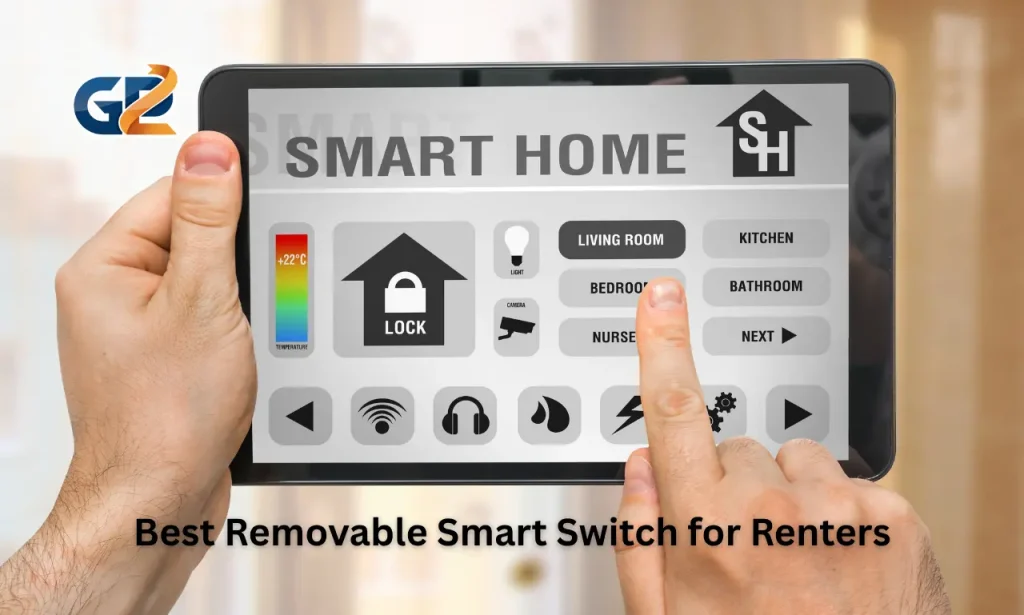
Smart home technology has become increasingly popular in recent years. With devices becoming more affordable and user-friendly, many homeowners are exploring ways to make their homes more convenient, efficient, and secure. A basic smart home setup provides essential automation and connectivity features without overwhelming complexity. It offers an introduction to the world of smart technology, helping users experience the benefits of automation, energy savings, and improved security.
Understanding what a basic smart home setup includes and what to expect is crucial for setting realistic goals and ensuring a smooth integration of devices into daily life.
Table of Contents
Core Components of a Basic Smart Home
A basic smart home setup usually focuses on essential devices that improve convenience, security, and energy efficiency. These components are designed to be easy to install and operate.
Smart Lighting
Smart bulbs and switches are often the first step in a smart home. They allow homeowners to control lights remotely using a smartphone app or voice commands. With smart lighting, you can schedule lights to turn on or off, adjust brightness levels, or change colors for ambiance.
Smart lighting also offers energy-saving benefits. Lights can be set to turn off automatically when rooms are empty, reducing electricity usage and lowering energy bills. While basic setups usually include a few key lights, they can easily be expanded over time.
Smart Plugs and Outlets
Smart plugs are versatile devices that turn ordinary appliances into smart devices. You can schedule devices to turn on or off, monitor energy consumption, or control them remotely. This is particularly useful for appliances like coffee makers, fans, or holiday lights.
In a basic smart home setup, a couple of smart plugs are sufficient to get started. They provide an easy way to experiment with automation and understand how connected devices can simplify daily routines.
Basic Security Features
Even a simple smart home setup can enhance home security. Basic security devices are user-friendly and can provide peace of mind without requiring professional installation.
Smart Cameras
Smart cameras are a common entry-level security device. They allow homeowners to monitor their property remotely through a smartphone app. Most basic cameras offer motion detection, notifications, and live streaming.
These devices help deter intruders and provide a record of activity around your home. In a basic setup, a single camera placed at the entrance or in a common area is often sufficient, with options to expand coverage over time.
Smart Door Locks
Smart locks allow homeowners to control access to their home without physical keys. They can be locked or unlocked remotely, and some models offer temporary access codes for guests or service personnel.
For basic setups, one or two smart locks on main entry doors are usually enough. They improve convenience and add a layer of security, making it easy to manage who enters the home.
Voice Assistants and Hub Integration
Voice assistants like Amazon Alexa, Google Assistant, or Apple HomeKit serve as central hubs for a smart home. They allow users to control connected devices with voice commands or through a mobile app.
Basic setups often include one smart speaker or hub that can control multiple devices. This hub simplifies device management, schedules automation, and provides a single interface for controlling lights, plugs, cameras, and locks. It also offers integration with additional smart devices as the home expands.
Energy and Climate Control
Smart thermostats and climate devices are increasingly popular, even in basic setups. They allow homeowners to regulate temperature efficiently, monitor energy usage, and save on utility bills.
A basic smart home setup might include a single thermostat or a smart plug connected to a fan or heater. These devices provide convenience and energy efficiency without the need for complex installations. Over time, additional devices can be added to control temperature in multiple rooms or automate climate-based routines.
Connectivity and Network Considerations
Reliable Wi-Fi is crucial for a smart home. Even a basic setup depends on strong, consistent internet connectivity.
Homeowners should expect to spend some time configuring devices, linking them to the network, and ensuring that all devices communicate effectively. Basic setups usually rely on a single Wi-Fi router, but more devices or larger homes may require a mesh network or additional access points to maintain stability and performance.
Limitations of a Basic Smart Home
While basic setups offer convenience and security, they come with limitations. Users should have realistic expectations about what can be achieved.
- Device Quantity: Basic setups often include only a few devices, meaning automation options are limited compared to fully equipped smart homes.
- Advanced Automation: Features like complex routines, multi-device coordination, or AI-based automation may not be fully supported.
- Scalability: Although many devices can be added later, initial setups may require additional configuration as the system expands.
Understanding these limitations helps homeowners appreciate the benefits of a basic setup while planning for future expansion.
Benefits You Can Expect
Even a simple smart home setup provides several noticeable benefits.
- Convenience: Devices can be controlled remotely or via voice commands, reducing the need for manual tasks.
- Security: Smart cameras and locks increase home safety, giving homeowners peace of mind.
- Energy Efficiency: Smart lighting and climate control reduce electricity and utility costs.
- Customization: Even basic setups allow users to schedule routines and personalize device settings according to daily habits.
These advantages make even a small investment in smart home technology worthwhile.
Conclusion
A basic smart home setup is a practical entry point for homeowners interested in technology, automation, and convenience. It typically includes smart lighting, plugs, security devices, and a voice assistant or hub for centralized control. While it comes with limitations, it provides valuable benefits such as improved security, energy efficiency, and day-to-day convenience.
By understanding what to expect, homeowners can set realistic goals, enjoy the advantages of automation, and gradually expand their system over time. Starting small allows for experimentation, learning, and adaptation, ensuring that the smart home grows with your needs and lifestyle.
FAQs
1. What devices are included in a basic smart home setup?
A basic setup usually includes smart lighting, smart plugs, a security camera or two, a smart lock, and a voice assistant or hub. These devices cover essential automation, security, and convenience needs.
2. Do I need professional installation for a basic smart home?
No, most devices in a basic smart home are designed for easy DIY installation. Mobile apps provide guidance for setup, and simple plug-and-play devices make the process straightforward.
3. Can I expand my basic smart home setup later?
Yes, one of the main advantages of starting small is scalability. Additional devices such as more lights, cameras, or smart thermostats can be added as needed.
4. Will a basic setup save energy?
Yes, even a few smart devices like lights, plugs, or a thermostat can reduce energy consumption by turning off devices automatically or optimizing usage patterns.
5. What is the role of a voice assistant in a smart home?
A voice assistant serves as the central hub for device control. It allows users to manage multiple devices using voice commands or a single app, schedule routines, and monitor connected devices efficiently.